
Introduction
If you're buying, refinancing, or selling a manufactured home, chances are you’ve heard the term foundation certification mentioned. But what does it actually mean, and why is it so important?
A manufactured home foundation certification is a key step in confirming that the home meets safety and structural standards. Without it, financing can be delayed or even denied.
What Is a Manufactured Home Foundation Certification?
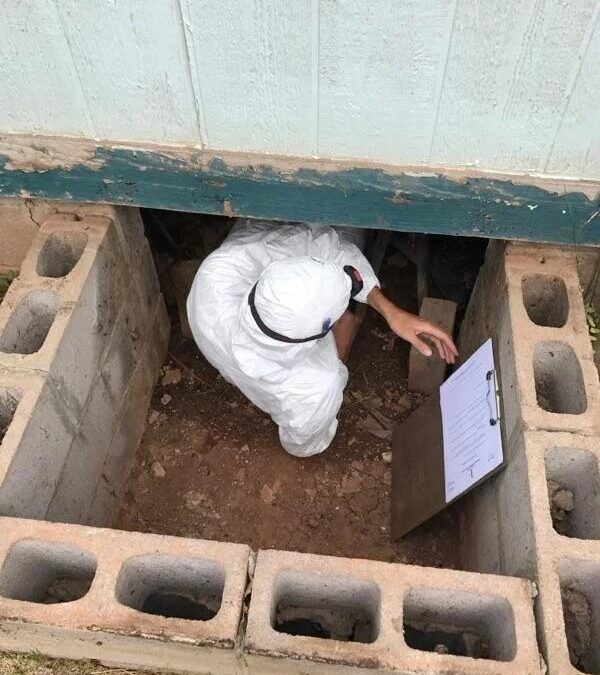
A foundation certification is an inspection performed by a qualified professional to verify that a manufactured home is properly installed and permanently attached to a compliant foundation.
This certification confirms that the home meets HUD guidelines for permanent foundations.
Why Lenders Require It
Many lenders require a foundation certification before approving financing for a manufactured home.
This is because:
- The home must be permanently affixed
- The structure must meet stability and safety requirements
- The foundation must support long-term use
If these conditions are not met, the loan may not move forward.
What Inspectors Look For
During the inspection, several key components are evaluated, including:
- Anchoring systems and tie-downs
- Support structure and pier spacing
- Drainage and grading around the home
- Signs of shifting or instability
- Overall compliance with HUD standards
This process ensures the home is safe, secure, and properly installed.
Common Issues That Can Delay Certification
Some of the most common issues include:
- Missing or improperly installed anchors
- Uneven or shifting foundations
- Poor drainage around the home
- Additions that affect structural stability
Addressing these issues early can help avoid delays.
How Long Does It Take?
Most inspections take between one and two hours. The report is typically provided within a few days, depending on the property and any findings.
Why Choosing the Right Company Matters
Working with an experienced inspection provider ensures accurate reporting, clear communication, and a smoother process overall. A thorough inspection can help prevent delays and keep your transaction moving forward.
Recent Comments